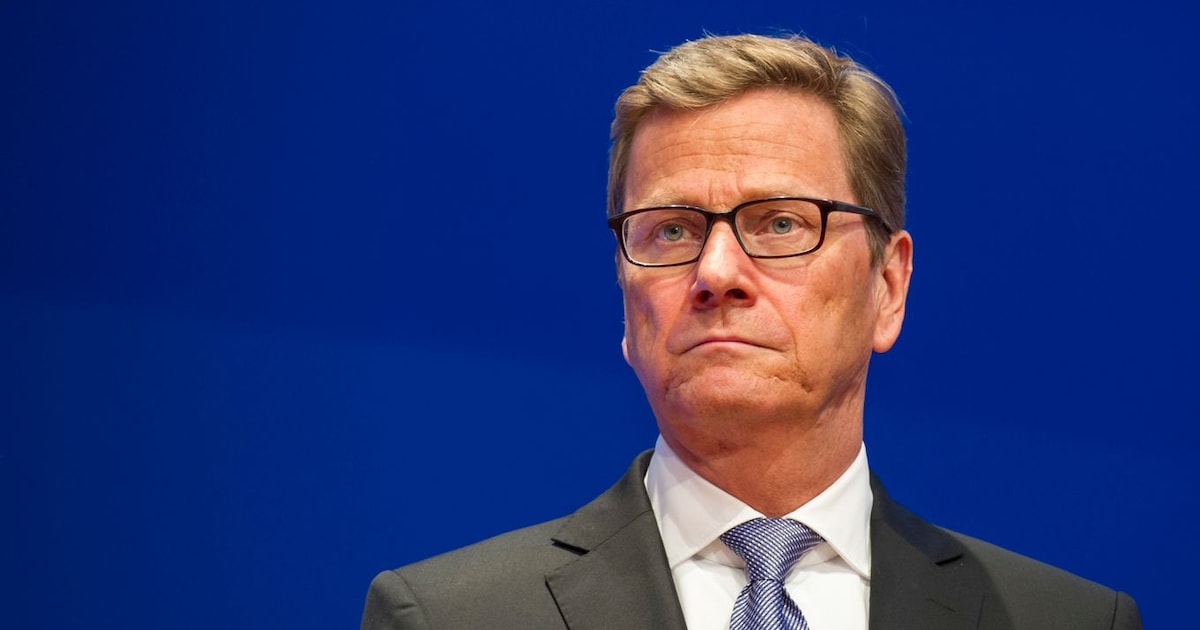
Guido Westerwelle's Legacy: Remembering His Fight Against Leukemia
Guido Westerwelle, a name synonymous with German liberalism and a prominent figure on the international political stage, left an indelible mark not only through his distinguished career as Foreign Minister and FDP leader but also through his incredibly brave and public battle against a formidable opponent: acute myeloid leukemia. His passing on March 18, 2016, at the young age of 54, just 21 months after his initial diagnosis, plunged Germany into mourning and served as a stark reminder of the relentless nature of this illness. His journey, marked by resilience, hope, and ultimately tragedy, offers profound lessons on courage, the importance of a robust support system, and the often-unforeseen paths a serious illness can take. This article delves into the specifics of
Guido Westerwelle Krankheit – his battle with leukemia – and explores the enduring legacy of a man who fought with unwavering determination, even when faced with overwhelming odds.
The Unforeseen Challenge: Diagnosing Guido Westerwelle's Illness
The diagnosis of Guido Westerwelle's leukemia came about through a series of unexpected events, highlighting the insidious way certain diseases can manifest without overt symptoms. In early 2014, following his departure from the Foreign Office, Westerwelle tore his meniscus while jogging in Mallorca. Initial conservative treatments for the knee injury proved ineffective, necessitating an operation later that summer. It was during a routine pre-operative examination, specifically when blood tests were conducted because certain values appeared "incorrect," that the devastating truth emerged. On June 20, 2014, doctors delivered the life-altering news: acute myeloid leukemia, a particularly aggressive form of blood cancer.
This "accidental" diagnosis underscores a crucial point in healthcare: the vital importance of comprehensive medical check-ups, even for seemingly minor ailments. Westerwelle had been symptom-free, leading a vibrant and active life, which made the sudden revelation of such a severe illness all the more shocking. His husband, Michael Mronz, recounted the alarm he felt when the doctors requested further blood tests, a precursor to the grim diagnosis. For Westerwelle, this meant an immediate pivot from planning a knee surgery to confronting a life-threatening disease that demanded urgent and intensive treatment. His story serves as a powerful reminder that vigilance, even in the absence of obvious symptoms, can be paramount for early detection and intervention. To learn more about the specifics of how this diagnosis unfolded, you might be interested in
Guido Westerwelle: The Accidental Diagnosis of His Fatal Leukemia.
A Valiant Fight: Treatment, Hope, and Setbacks
Following his diagnosis, Guido Westerwelle immediately began an intensive regimen of treatment at the University Hospital Cologne. The path ahead was arduous, involving rigorous chemotherapy sessions and, significantly, a bone marrow transplantation. For four and a half months, he remained an inpatient, undergoing treatments that tested his physical and mental fortitude to their limits. Chemotherapy, while vital in eradicating cancer cells, brings with it severe side effects, stripping patients of energy and often their hair, profoundly altering their physical appearance and daily lives. A bone marrow transplant, a complex procedure, aims to replace diseased bone marrow with healthy stem cells, offering a chance at remission but also carrying significant risks of complications, including rejection.
Despite these immense challenges, Westerwelle exhibited remarkable resilience. In November 2014, he was discharged from the hospital, marking a period of cautious optimism. His first public appearance after his intensive treatment, at the CHIO Aachen equestrian tournament, was met with widespread relief and admiration for his courage. During this time, he also channeled his experiences into a book titled
"Zwischen zwei Leben" (Between Two Lives), which he presented in late 2015. The book offered a deeply personal account of his fight against the
Guido Westerwelle Krankheit, providing insights into the emotional and physical toll of cancer treatment, and fostering hope that he might overcome the disease. His willingness to share such an intimate struggle was a testament to his character and a source of inspiration for many.
However, the battle against leukemia is often characterized by its unpredictable nature. In December 2015, Westerwelle had to be readmitted to the hospital, initially for what was officially termed a "medication adjustment." It later became clear that he was experiencing severe complications, including rejection reactions following his bone marrow transplant. This marked a significant setback, leading to his withdrawal from public life as he recommenced intensive medical care. This phase highlighted the brutal reality that even after seemingly successful treatments, the threat of relapse or severe complications looms large, demanding an ongoing, vigilant fight. His journey through these critical phases of treatment and recovery is further detailed in
Guido Westerwelle's Battle: From Chemotherapy to 'Zwischen zwei Leben'.
Beyond Politics: Westerwelle's Personal Battle and Public Awareness
Guido Westerwelle was undoubtedly one of the most defining figures in German politics for decades. From his early days in the Young Liberals to leading the Free Democratic Party (FDP), serving as Vice-Chancellor, and ultimately as Germany's Foreign Minister from 2009 to 2013, he shaped political discourse and policy. His political career, marked by periods of fierce opposition and significant governmental influence, solidified his place in history. However, his profound struggle with leukemia transcended his political identity, revealing a deeply human side that resonated with people far beyond party lines.
His decision to openly address his illness, particularly through his book
"Zwischen zwei Leben," was a brave act that significantly contributed to public awareness about leukemia and the challenges faced by cancer patients. In a society where discussions about serious illness can often be private or taboo, Westerwelle used his public platform to shed light on a personal struggle, inspiring countless individuals to confront their own health battles with courage and seek support. His voice, even when weakened by illness, as captured in previously unreleased recordings for an ARD documentary, carried immense weight and authenticity.
Central to his fight was the unwavering support of his husband, Michael Mronz. Mronz's poignant statement following Westerwelle’s passing –
"Wir haben gekämpft. Wir hatten das Ziel vor Augen. Wir sind dankbar für eine unglaublich tolle gemeinsame Zeit. Die Liebe bleibt." (We fought. We had the goal in sight. We are thankful for an incredibly wonderful time together. Love remains.) – beautifully encapsulates the profound personal dimension of Westerwelle's battle. It speaks to the critical role of a strong support system for anyone facing a life-threatening disease, highlighting that while the patient endures the physical ordeal, loved ones share the emotional burden, the hopes, and the ultimate grief. Westerwelle’s journey, therefore, became a testament not just to individual strength but also to the power of love and companionship in the face of adversity.
The Enduring Legacy: Remembering Guido Westerwelle
Guido Westerwelle succumbed to the consequences of his leukemia on March 18, 2016, in the University Hospital Cologne, just 21 months after his diagnosis. His passing at 54 years old left a void in German politics and a deep sadness among those who followed his journey. The recent ARD documentary, which featured his voice from previously unheard recordings, allowed the public to hear him speak once more, offering a touching, albeit melancholic, connection to the man who fought so valiantly. In these recordings, he reflects on how the "Krankheit schluckt alles" (the illness swallows everything), a stark and honest reflection on the overwhelming nature of his battle.
Westerwelle's legacy is dual-faceted. He is remembered as a transformative figure in German politics, a charismatic leader who championed liberal ideals and played a significant role on the world stage as Foreign Minister. Beyond his political achievements, however, he will also be remembered as a courageous individual who faced the
Guido Westerwelle Krankheit with immense dignity and openness. His willingness to share his personal struggle helped destigmatize cancer and inspired greater empathy and understanding for those battling serious illnesses. His story underscores the relentless pursuit of life, even in the face of an insurmountable adversary. He became a symbol of human resilience, demonstrating that true strength lies not just in winning battles, but in fighting them with every ounce of one's being.
Conclusion
Guido Westerwelle's life was a testament to ambition, intellect, and public service, but his final years illuminated another, equally profound aspect of his character: his incredible strength in confronting a life-threatening illness. His battle with leukemia, from the unexpected diagnosis during a routine check-up to the intensive treatments, moments of hope, and eventual tragic relapse, unfolded before the public eye, turning him into an inadvertent advocate for health awareness. The story of
Guido Westerwelle Krankheit is more than just a medical narrative; it’s a human story of courage, vulnerability, and the enduring power of love and support. His legacy reminds us of the fragility of life, the importance of medical vigilance, and the profound impact one individual can have by openly sharing their journey, inspiring others to fight their own battles with similar grace and determination. As his husband Michael Mronz so eloquently put it, "Love remains," a poignant tribute to a life lived fully and a fight fought bravely until the very end.