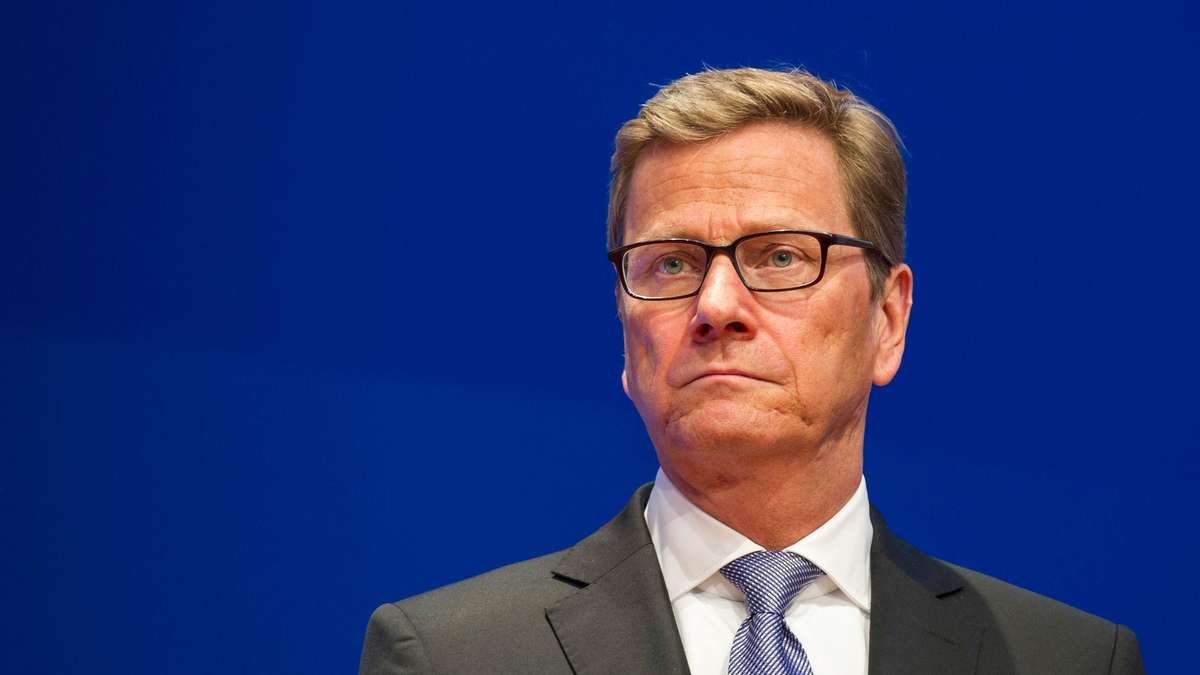
Guido Westerwelle, a name synonymous with German politics for decades, carved out a remarkable career as a prominent figure, serving as Germany's Foreign Minister and Vice-Chancellor. However, beyond the corridors of power and diplomatic engagements, Westerwelle faced a deeply personal and ultimately tragic battle: his fight against leukemia. The story of Guido Westerwelle Krankheit (Guido Westerwelle's illness) is one of unexpected diagnosis, immense courage, public resilience, and a poignant effort to share his experience through his memoir, 'Zwischen zwei Leben' (Between Two Lives), before his untimely passing.
His journey through a devastating illness captivated a nation, not just because of his political stature, but because of the raw honesty and determination he displayed. From the shocking moment of diagnosis to his final days, Westerwelle's struggle became a powerful testament to the fragility of life and the human spirit's capacity to endure.
The Unexpected Diagnosis: How a Knee Injury Revealed a Life-Threatening Condition
The discovery of Guido Westerwelle's leukemia was, remarkably, an accident. In late 2013 and early 2014, while jogging on Mallorca, Westerwelle sustained a meniscus tear in his knee. After conservative treatment failed to yield results, surgery became necessary in the summer of 2014. It was during a routine pre-operative examination that doctors discovered alarmingly irregular blood values. As his husband, Michael Mronz, later recounted in an ARD documentary, the medical team was "very alarmed."
On June 20, 2014, Westerwelle received the devastating diagnosis: acute leukemia, a particularly aggressive form of blood cancer. This news came just six months after he had stepped down from his role as Foreign Minister, seemingly ready to embrace a new chapter in his life. The diagnosis was a profound shock, not only to Westerwelle and his family but also to the German public, who had known him as a vibrant and energetic politician. The lack of prior symptoms highlighted the insidious nature of the disease, turning what seemed like a minor sports injury into a life-altering event. For more details on this pivotal moment, read Guido Westerwelle: The Accidental Diagnosis of His Fatal Leukemia.
An Arduous Battle: Chemotherapy, Transplants, and Public Resilience
Following the diagnosis, Westerwelle immediately began intensive treatment at the University Hospital Cologne. His battle against the aggressive leukemia involved rigorous chemotherapy, a grueling process known for its severe side effects, aiming to destroy cancer cells throughout the body. The treatment was inpatient, requiring him to remain in the hospital for an extended period, profoundly impacting his daily life.
A crucial and life-saving step in his treatment was a bone marrow transplantation. This complex procedure involves replacing diseased bone marrow with healthy stem cells, often from a donor, to restore the body's ability to produce healthy blood cells. It carries significant risks and demands a lengthy recovery period, often with severe complications. After approximately four and a half months of intensive inpatient treatment, Westerwelle made his first public appearance at the CHIO Aachen equestrian tournament. This moment was seen as a symbol of hope and resilience, showcasing his determination to fight and a cautious return to public life.
In November 2014, Westerwelle was discharged from the hospital, a milestone that brought relief and renewed optimism. Throughout this arduous period, his husband, Michael Mronz, remained a steadfast pillar of support. Mronz's unwavering commitment and the couple's shared fight became a powerful narrative of love and companionship in the face of grave illness.
"Zwischen zwei Leben": A Memoir of Hope and Vulnerability
Amidst his ongoing recovery and battle with leukemia, Guido Westerwelle undertook the remarkable task of writing a book about his experiences. Titled 'Zwischen zwei Leben' (Between Two Lives), the memoir was released in the autumn of 2015. The title itself eloquently captured his predicament: navigating the precarious space between his former life as a prominent politician and his new reality as a cancer patient, constantly fighting for survival.
The book was more than just a personal account; it was a profound act of sharing and vulnerability. Westerwelle offered intimate insights into the physical and emotional toll of his illness, the grueling treatments, the moments of despair, and the enduring hope that fueled his fight. He spoke candidly about how the disease "swallows everything," giving readers an unfiltered look into the life of someone facing a life-threatening illness.
At the time of its presentation, 'Zwischen zwei Leben' was met with widespread public interest and sympathy. There was a palpable sense of hope that Westerwelle might overcome his illness. The book served as a testament to his courage, transforming his private suffering into a public discourse on resilience, the fragility of life, and the importance of perseverance. The recently released, previously unheard audio recordings from an ARD film further amplified the raw emotion and power behind his written words, offering a poignant echo of his voice, albeit weakened, as he battled the disease.
The Relapse and Final Farewell: A Fight Concluded
Despite the initial hope surrounding his discharge and the release of his book, Guido Westerwelle's health began to decline again. In December 2015, he was readmitted to the hospital. Initially, this was officially described as a "medication adjustment," but it soon became clear that he was experiencing severe complications, including rejection reactions following his bone marrow transplantation. These reactions, where the recipient's immune system attacks the transplanted cells or vice versa, are a significant risk associated with such procedures and can be life-threatening.
From that point, Westerwelle largely withdrew from public life, his health deteriorating rapidly. His fight, which had been so public and courageous, became intensely private in its final stages. On March 18, 2016, a mere 21 months after his initial diagnosis, Guido Westerwelle passed away at the University Hospital Cologne at the age of 54. He left behind his devoted husband, Michael Mronz, and a nation mourning the loss of a prominent political figure and a brave individual.
The Westerwelle Foundation released a deeply moving statement from Michael Mronz, echoing the sentiment of their shared battle: "We fought. We had the goal in sight. We are grateful for an incredibly wonderful time together. The love remains." This heartfelt farewell underscored the profound love and commitment that defined their relationship throughout Westerwelle's harrowing journey. His valiant struggle left an indelible mark, as explored further in Guido Westerwelle's Legacy: Remembering His Fight Against Leukemia.
Lessons from Guido Westerwelle's Journey
- The Unpredictability of Health: Westerwelle's accidental diagnosis serves as a stark reminder that severe illnesses can strike without warning, even in seemingly healthy individuals.
- The Importance of Early Diagnosis: While his diagnosis was serendipitous, it highlights the critical role of medical check-ups and vigilance, as early detection often improves treatment outcomes for many diseases.
- Resilience in Adversity: His public appearances and the writing of 'Zwischen zwei Leben' showcased extraordinary strength and a desire to face his condition head-on, inspiring many.
- The Power of Support: The unwavering companionship and support of Michael Mronz underscore the vital role of loved ones in navigating severe illness.
- Open Dialogue about Illness: By sharing his story, Westerwelle contributed to a more open conversation about living with cancer, destigmatizing the experience and offering solace to others.
Guido Westerwelle's battle with leukemia transcends his political career. It tells a human story of struggle, resilience, and the profound impact of a life cut short by illness. His memoir, 'Zwischen zwei Leben,' remains a powerful testament to his courage, offering insights into the personal toll of cancer and the enduring spirit of hope. Though his voice may have been weak in his final recordings, his message of fighting with dignity and love resonates still, leaving a lasting legacy far beyond the realm of politics.