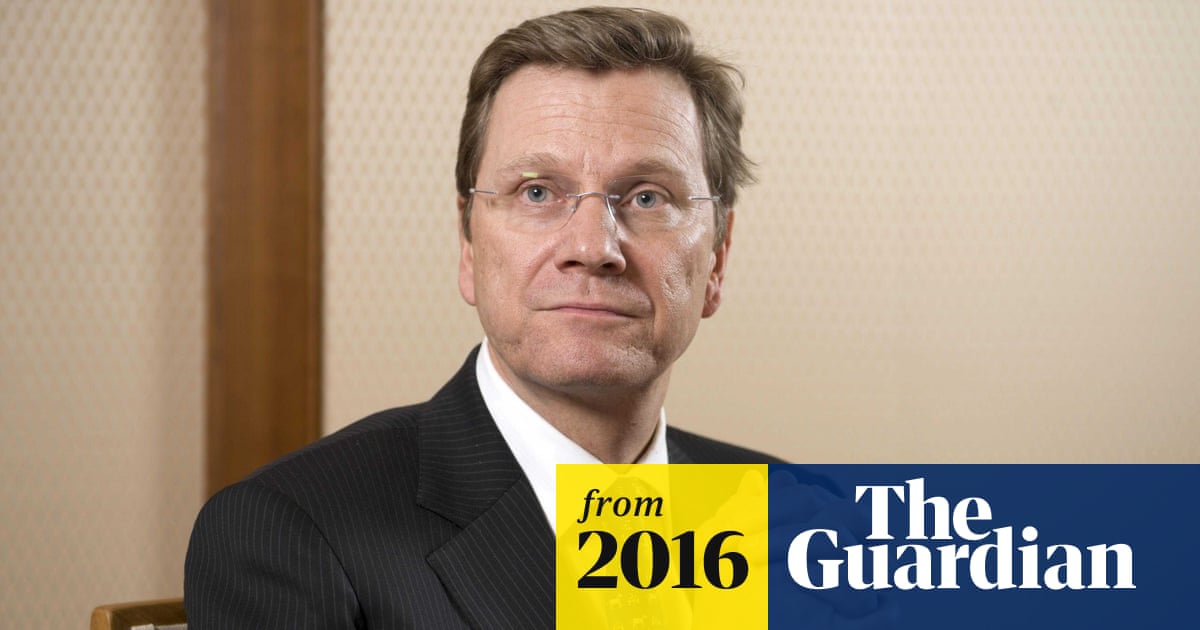
Guido Westerwelle: The Accidental Diagnosis of His Fatal Leukemia
The passing of Guido Westerwelle on March 18, 2016, at the young age of 54, left a profound void in German politics and hearts across the nation. A pivotal figure in the Free Democratic Party (FDP) and former Foreign Minister, Westerwelle's battle with leukemia – often referred to simply as
Guido Westerwelle Krankheit – was a deeply personal struggle that captivated and moved many. What makes his story particularly poignant, and a powerful lesson in health vigilance, is the entirely unforeseen and accidental nature of his diagnosis. There were no obvious, debilitating symptoms; instead, the devastating news emerged from a routine check-up for a seemingly minor injury.
The Unforeseen Revelation: A Knee Operation Leads to a Life-Altering Diagnosis
The year 2014 was set to be a period of transition for Guido Westerwelle. Having stepped down from his role as Foreign Minister just six months prior, he was embarking on new chapters. However, fate had a cruel twist in store. While jogging during a New Year's holiday in Mallorca, Westerwelle suffered a meniscus tear in his knee. Initially, conservative treatment methods were attempted, but they proved unsuccessful, making surgery unavoidable by the summer.
It was during the routine pre-operative examination for this knee surgery, on June 20, 2014, that the first unexpected red flags appeared. According to his beloved husband, sports manager Michael Mronz, doctors noted certain "incorrect values" during preliminary tests. This immediate concern prompted further blood samples. The discovery was shocking: Guido Westerwelle was diagnosed with an aggressive form of acute leukemia, a particularly severe type of blood cancer. Mronz vividly recalled his alarm at the time, stating, "I was already very alarmed then." The irony was stark: a diagnosis of such a fatal
Guido Westerwelle Krankheit emerged from a check-up for a relatively minor orthopedic issue, entirely without prior symptoms indicative of blood cancer. This incident starkly underscores the unpredictable nature of serious illness and the vital importance of comprehensive medical screenings.
A Sudden Turn of Events
The suddenness of the diagnosis was a defining characteristic of Westerwelle's early battle. One day, he was planning for a knee operation; the next, he was confronting a life-threatening illness. This accidental discovery highlights a crucial public health message:
- The Silent Onset: Many serious diseases, including certain cancers, can develop without overt symptoms in their early stages.
- Value of Routine Checks: Pre-operative screenings, even for minor procedures, can inadvertently become life-saving diagnostic tools.
- Listen to Medical Professionals: When doctors flag "incorrect values" or suggest further tests, it is imperative to follow through, even if you feel perfectly healthy.
Navigating the Initial Storm: Treatment and Public Reemergence
Following the devastating diagnosis, Westerwelle wasted no time. He immediately began intensive treatment at the University Clinic in Cologne, a testament to his determination and fighting spirit. His initial treatment involved rigorous rounds of chemotherapy, a grueling process designed to destroy cancer cells, but one that also profoundly impacts the entire body. This was followed by a bone marrow transplantation, a critical and often high-risk procedure for leukemia patients.
For four and a half months, Guido Westerwelle remained under inpatient care, a period of immense physical and emotional challenge, endured largely out of the public eye. His husband, Michael Mronz, remained an unwavering pillar of support throughout this trying time. The public's first glimpse of the former Foreign Minister after his intensive treatment came at the prestigious CHIO equestrian tournament in Aachen. His appearance, while frail, symbolized hope and resilience, demonstrating his will to fight and recover from the
Guido Westerwelle Krankheit.
Hope and Setbacks
In November 2014, Westerwelle was discharged from the hospital, a moment that sparked cautious optimism for his recovery. During this period, he channeled his experiences into a deeply personal book, "Zwischen zwei Leben" (Between Two Lives). Introduced in the autumn of 2015, the book offered a raw and honest account of his battle with leukemia, providing insight into the physical and psychological toll of the disease and treatment. It offered a beacon of hope, suggesting he might be on the path to overcoming his illness. For a more detailed look into his challenging journey, you can read about
Guido Westerwelle's Battle: From Chemotherapy to 'Zwischen zwei Leben'.
However, the fight against leukemia is often fraught with complications. In December 2015, Westerwelle had to be readmitted to the hospital. While initially attributed to a "medication adjustment," reports soon emerged of rejection reactions following his bone marrow transplantation. From that point on, his public appearances became increasingly rare, a somber indication of the ongoing and intensified struggle against the disease.
A Legacy Beyond Politics: Awareness and Advocacy
Guido Westerwelle's political career was marked by his significant contributions to German and international affairs. From the 1980s, he was a defining figure in German politics, serving for many years in opposition before becoming Federal Foreign Minister from 2009 to 2013. During the initial two years of the CDU/FDP coalition, he also held the position of Vice-Chancellor, a testament to his influence and leadership within the FDP.
Yet, his accidental diagnosis and subsequent public battle against
Guido Westerwelle Krankheit added an unexpected dimension to his legacy. He became an unwitting advocate for early detection and for courage in the face of life-threatening illness. His story resonated deeply, reminding countless individuals that disease can strike anyone, regardless of their public stature or apparent good health.
The Importance of Proactive Health Checks
Westerwelle's experience provides a stark reminder and practical advice for everyone:
- Don't Dismiss the Minor: A knee injury might seem insignificant, but its diagnostic process uncovered a critical condition. Any medical examination can yield vital information.
- Regular Check-ups: Even without specific symptoms, routine health check-ups and screenings are crucial for early detection of potential health issues.
- Know Your Body: While Westerwelle had no overt symptoms, being attuned to subtle changes in one's body and discussing them with a doctor can be life-saving.
- Advocate for Yourself: Ask questions, understand test results, and seek second opinions if you have concerns.
Remembering Guido Westerwelle: The Final Chapter and Enduring Love
Despite an arduous battle, the relentless nature of leukemia ultimately proved too strong. On March 18, 2016, 21 months after his unexpected diagnosis, Guido Westerwelle passed away at the University Clinic in Cologne. He was 54 years old. The Westerwelle Foundation released a poignant statement on its website, echoing the sentiments of his husband, Michael Mronz: "We fought. We had a goal in sight. We are grateful for an incredibly wonderful time together. Love remains." These powerful words encapsulated the unwavering commitment and profound love that defined their relationship throughout his ordeal.
Previously unreleased recordings, later aired in an ARD documentary film, offered a moving glimpse into his final journey, revealing his voice – weakened but present – as he faced his illness with dignity. Michael Mronz, in the film, reiterated their fight: "We fought until the last day." Guido Westerwelle's death was a profound loss, not just for his family and friends, but for Germany and the liberal political movement he helped shape. His legacy, now intrinsically linked to his fight against the
Guido Westerwelle Krankheit, extends beyond his political achievements to his accidental yet impactful role in raising awareness about health vigilance and the brutal reality of serious illness. To delve deeper into his lasting impact, consider reading
Guido Westerwelle's Legacy: Remembering His Fight Against Leukemia.
Conclusion
Guido Westerwelle's journey from a prominent political figure to a patient battling a life-threatening illness, diagnosed entirely by chance, serves as a powerful and enduring reminder. His story highlights the critical importance of early detection, the unwavering support of loved ones, and the profound resilience of the human spirit in the face of unimaginable adversity. While his passing was a tragedy, his accidental diagnosis of the
Guido Westerwelle Krankheit became a universal lesson: prioritize your health, never underestimate the value of medical vigilance, and remember that even a minor issue can sometimes unveil a much larger, unseen battle within. His legacy continues to inspire conversations about health awareness, proving that even in tragedy, profound lessons can emerge.